Key speakers: Nunatsiavut Inuk elder Danny Pottle; Kimberly Orren, Co-founder of Fishing for Success and Dr. Danita Catherine Burke, Research Fellow at the University of Southern Denmark
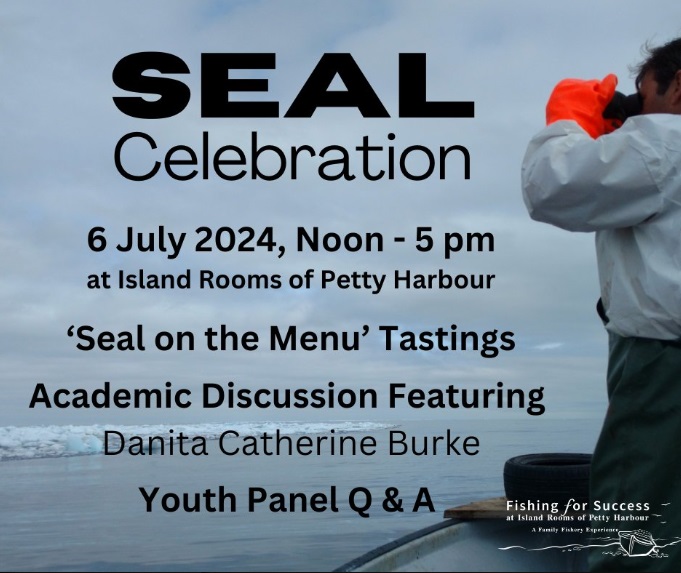
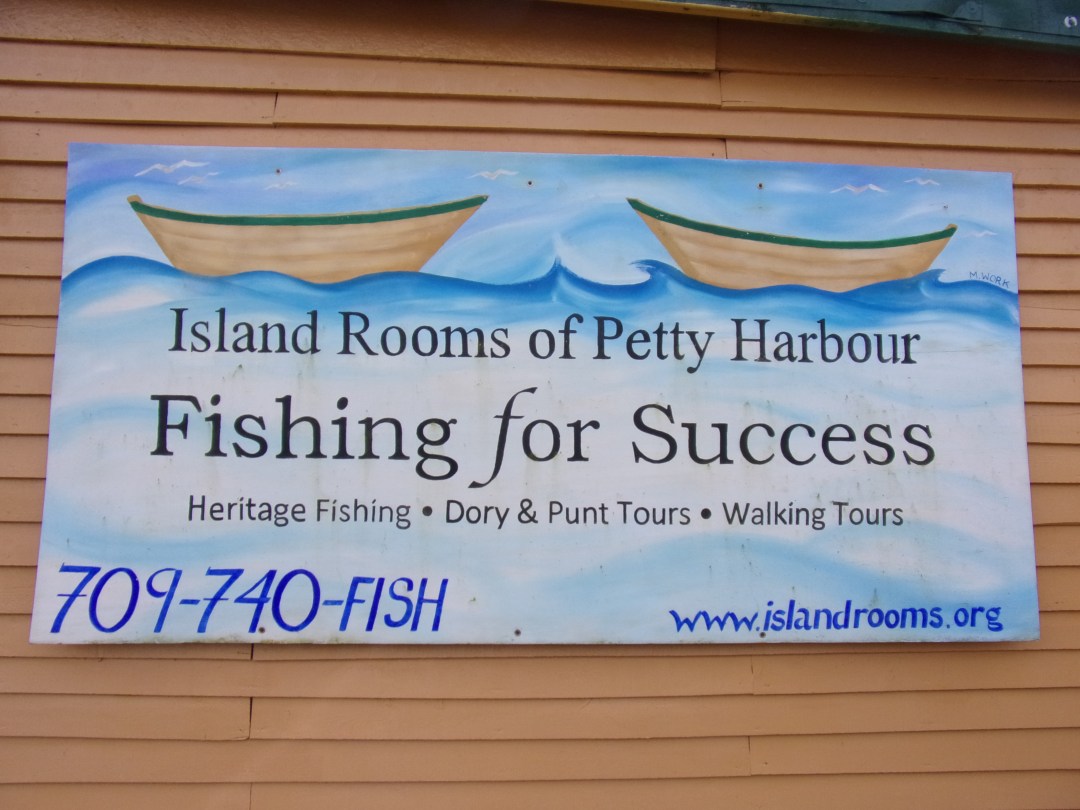
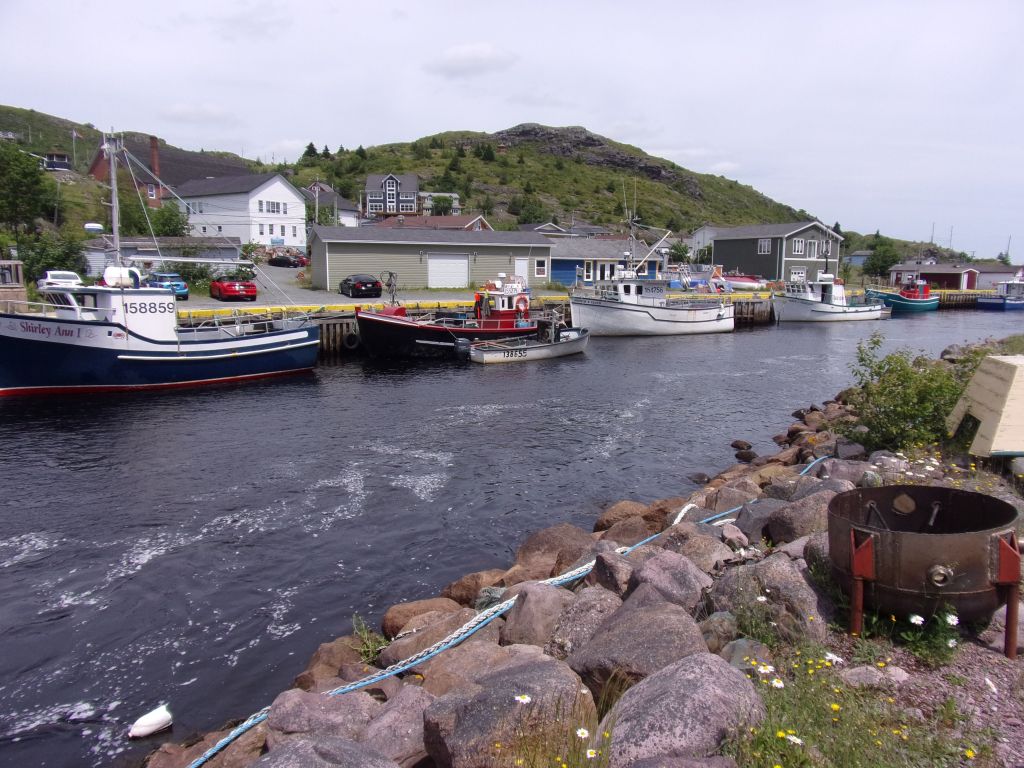
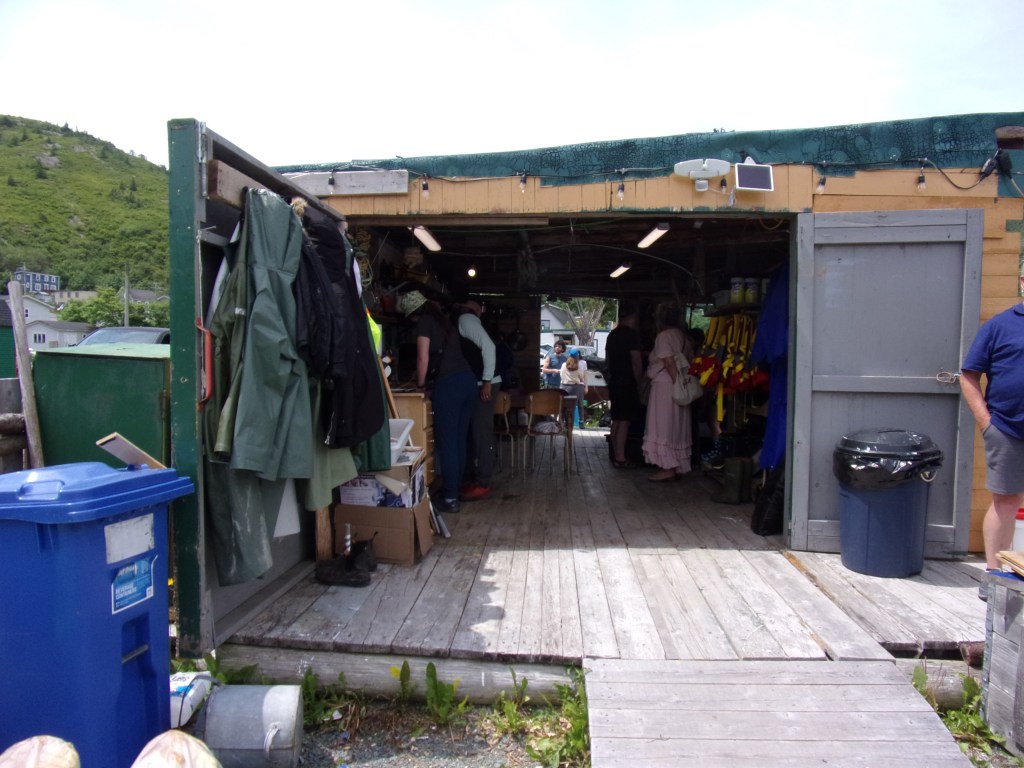
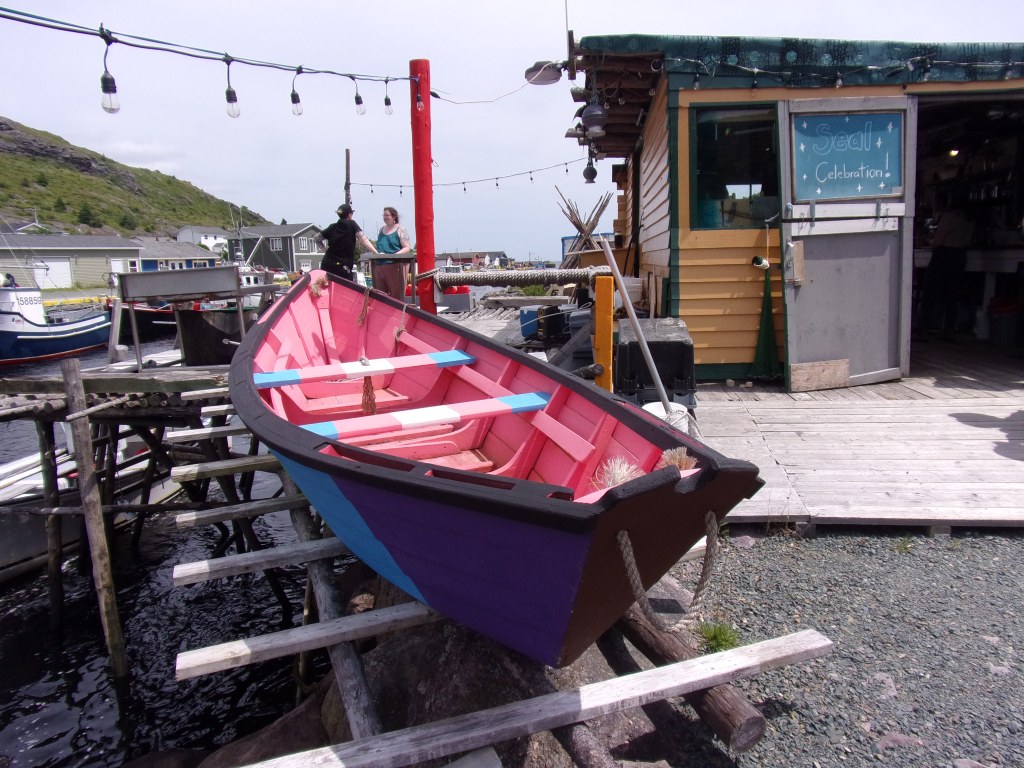
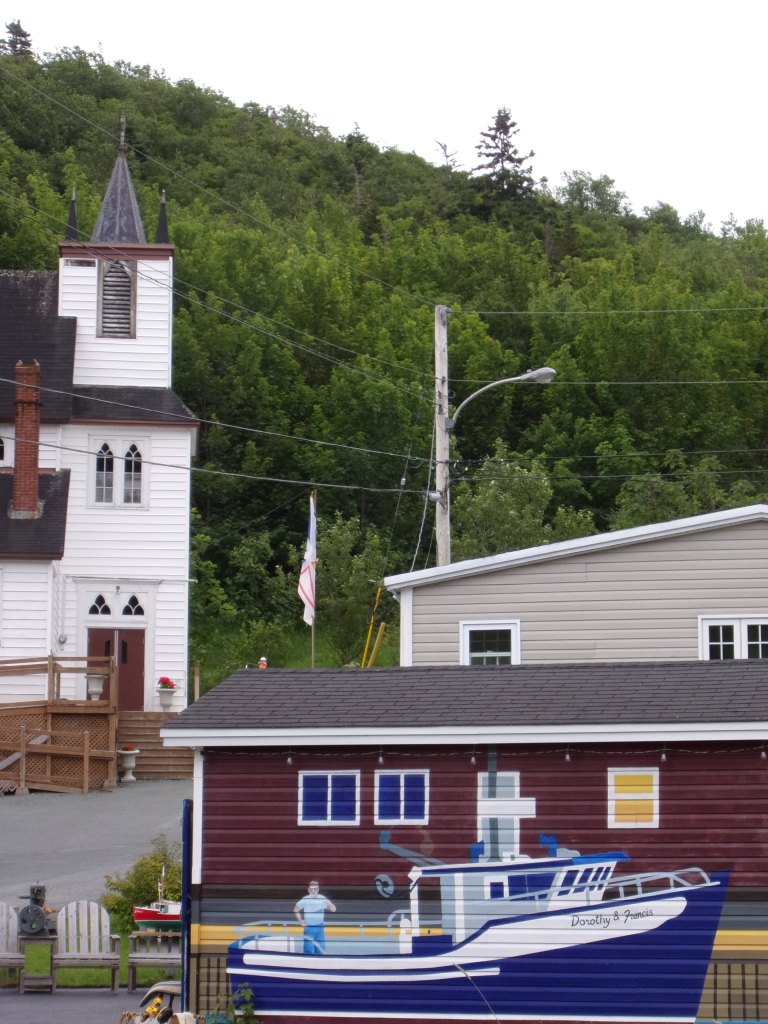
Fishing for Success is a Newfoundland and Labrador “community-based non-profit social enterprise that works to transmit the intangible cultural heritage of Newfoundland & Labrador’s family fishery.” On July 6th, 2024 Fishing for Success hosted a Seal Celebration event from noon to 5pm, organized by co-founder Kimberly Orren, with the aim to raise awareness about the cultural and economic legacy of the seal fishery and seal practices in Newfoundland and Labrador’s Indigenous and non-Indigenous communities.
Seal hunting has played a vital role in the survival and cultural heritage of many rural and coastal Arctic and sub-Arctic communities in Newfoundland and Labrador and this rich tapestry was on display at the Seal Celebration. The event showcased the versatility of seal.
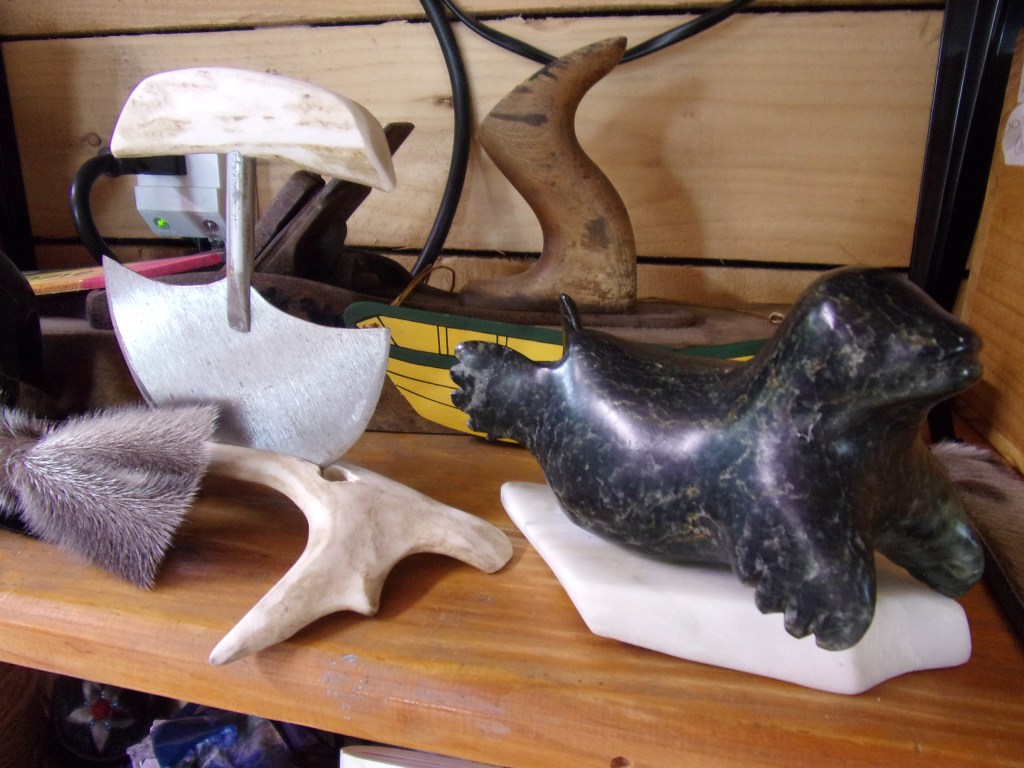
In addition to the most well-known use of seal – clothing items like coats, vests and bow-ties – the event also displayed traditional objects used for seal hunting, processing and commemoration such as the Inuit ulu and seal-inspired artistry such as seal carvings. But perhaps the most interactive and importance use of seal on display was its use as a food source for generations of Newfoundlanders and Labradorians going back hundreds, and in some cases thousands of years.
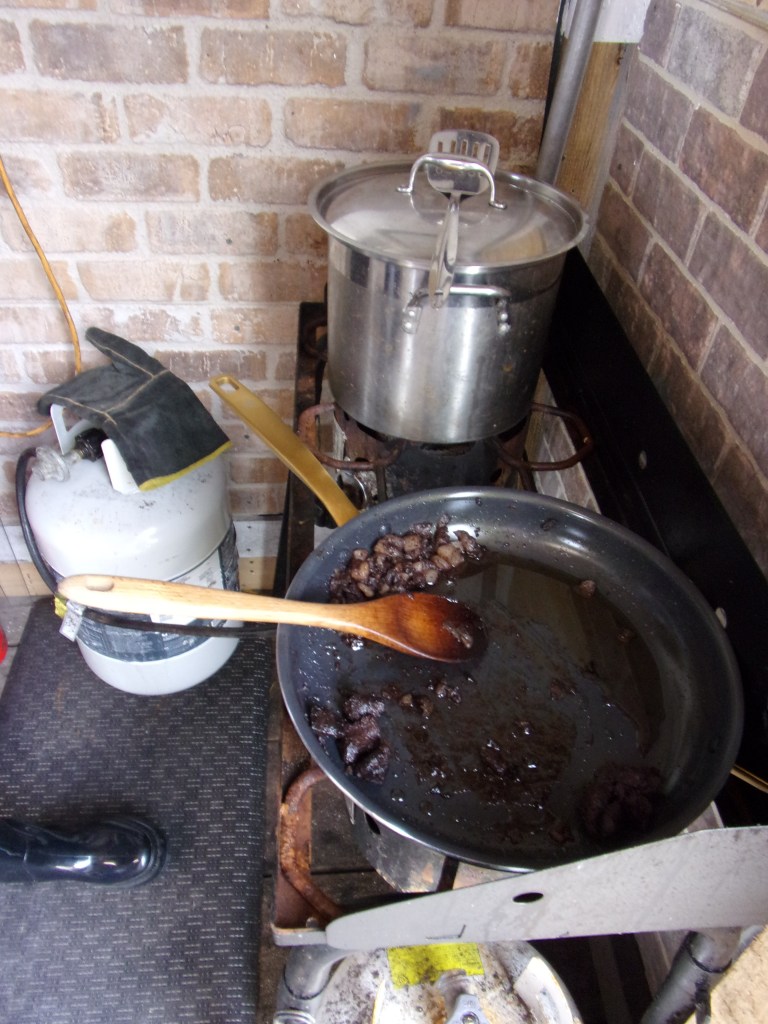
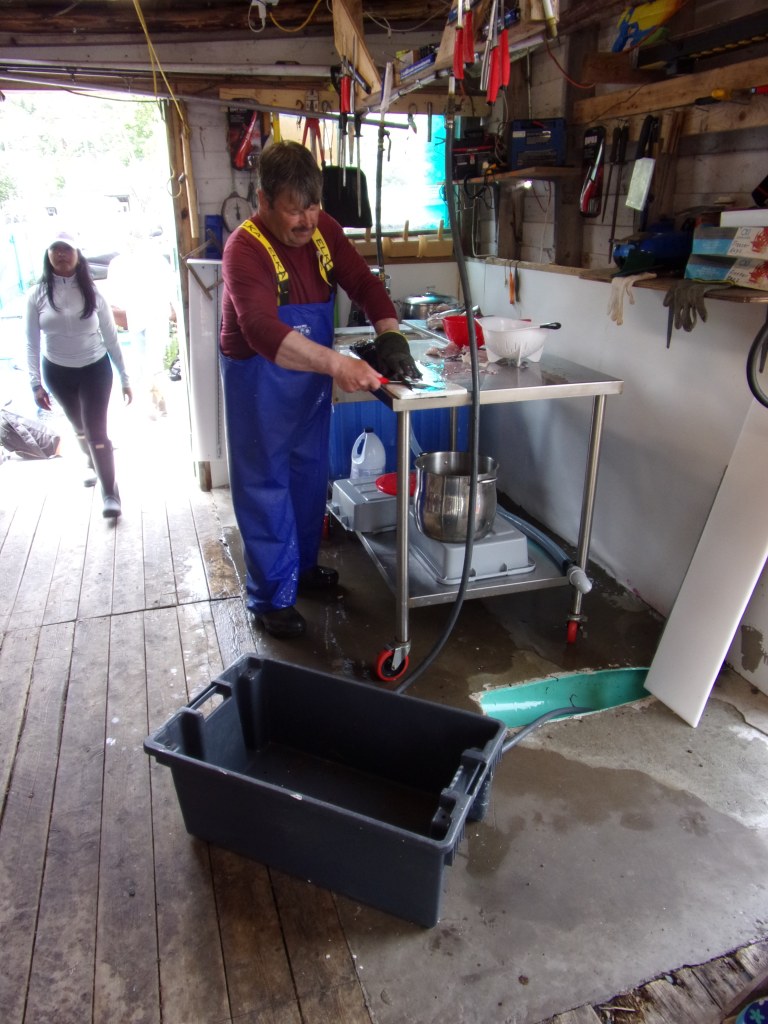
The event helped to introduce people to the many ways in which seal meat can be a healthy, sustainable, cultural and environmentally sensitive food source. Cooking delicious options on site, Fishing for Success offered event participants the opportunity to sample new ways of using seal meat in cooking such as in tacos and the Canadian classic – poutine.
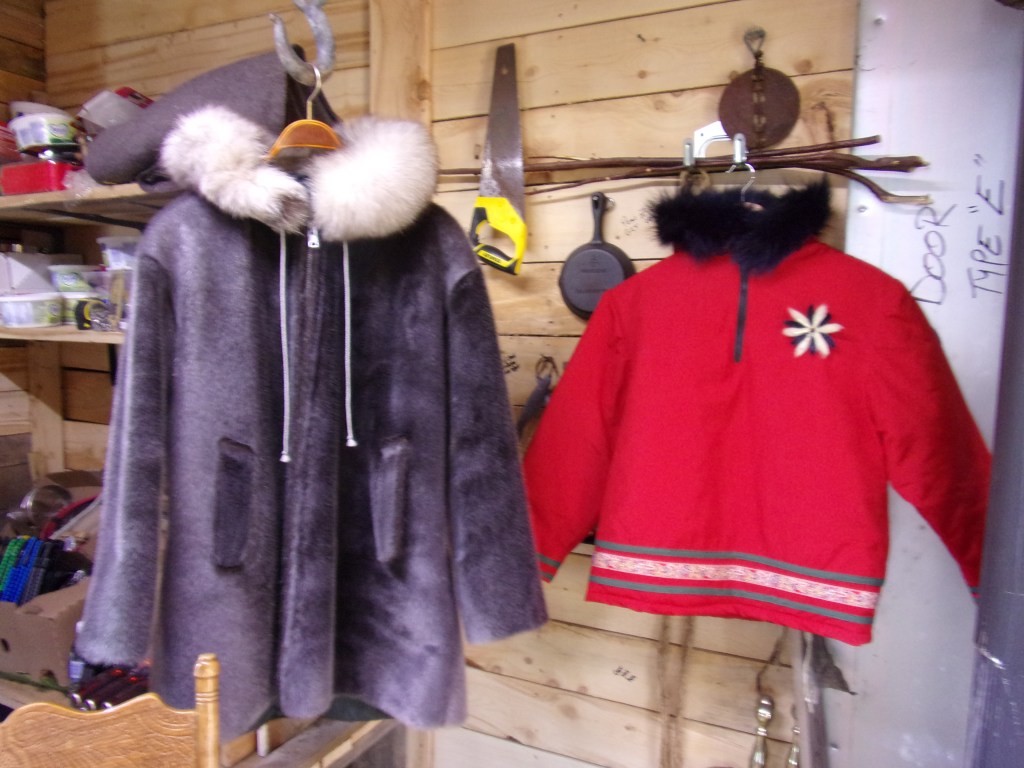
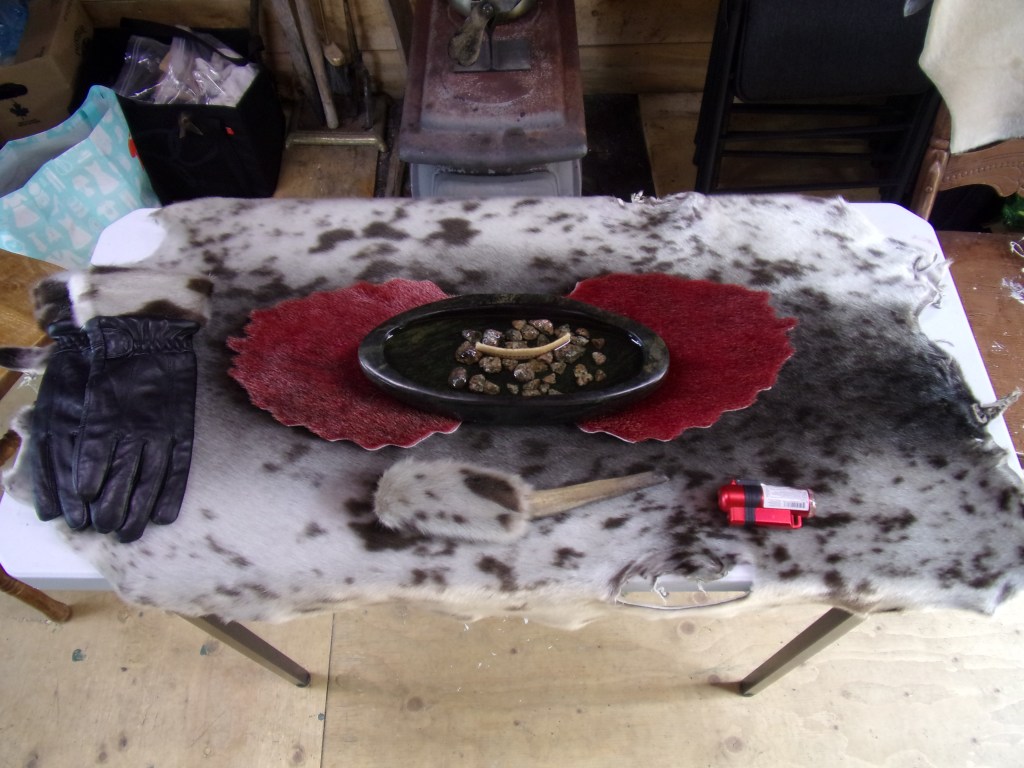
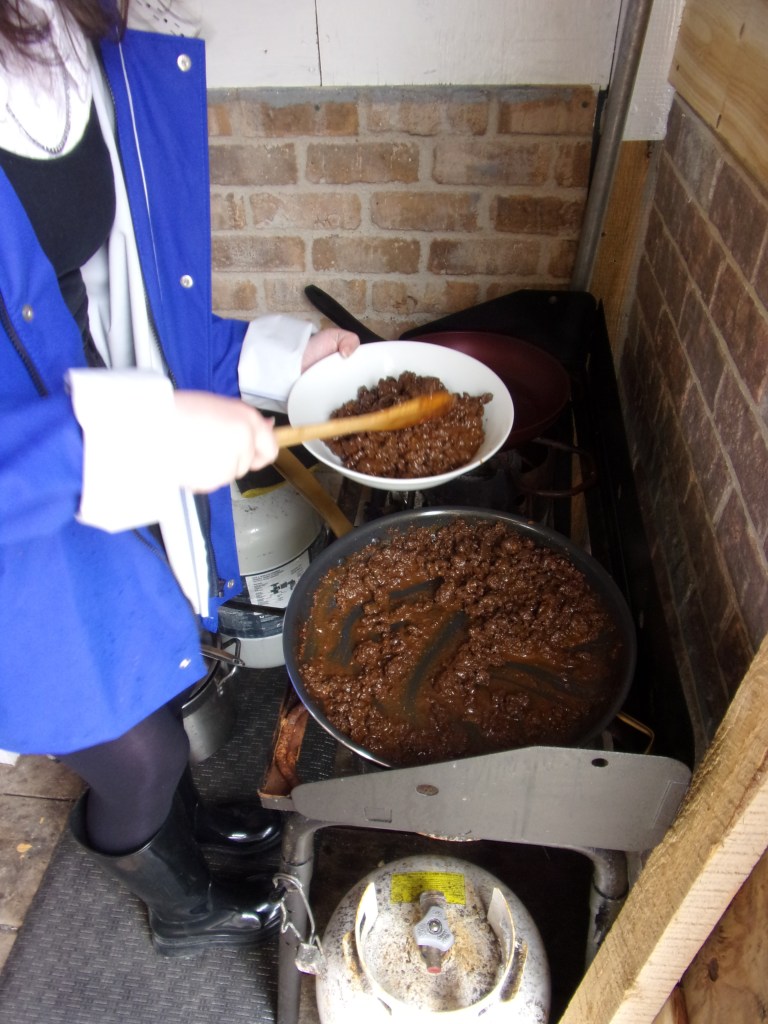
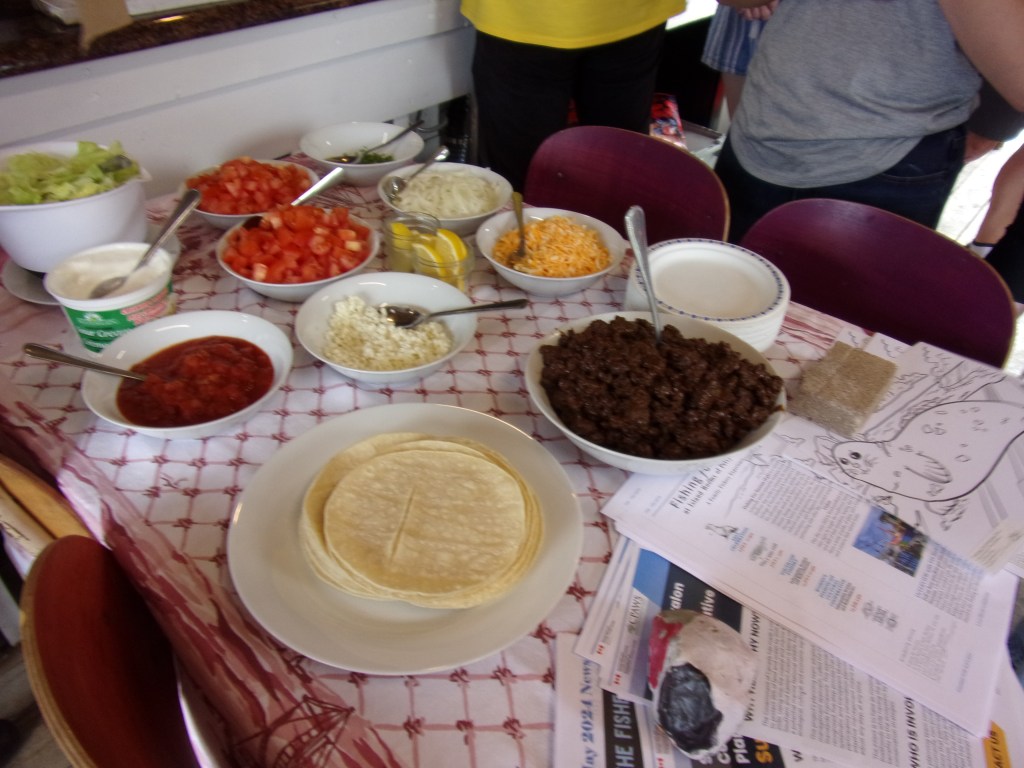
Through offering meal inspiration and a sense of traditional close-knit community mealtime interaction, Fishing for Success helped to introduce new people to the province and visitors to an opportunity to learn more about the complex and positive role that seals and sealing plays in the province’s history, heritage and present-day. At the same time, the event helped people from the province to reconnect with parts of their history and way of life that are becoming less commonplace as the province’s society continues to grapple with decades of societal and economic change due to major events like the collapse of the cod fishery and mass outmigration of youth and depopulation of many rural and coastal communities as a result.
The Seal Celebration was also an opportunity to learn about the legacy of the anti-sealing movement.
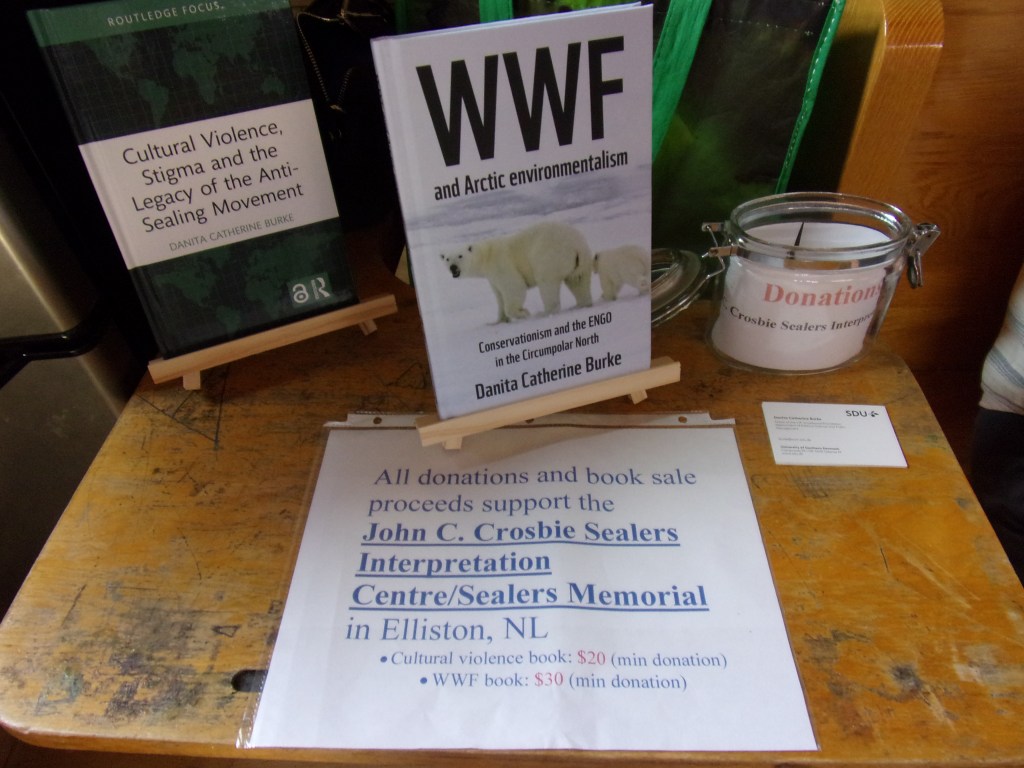
The event was partially a fundraiser for the John C. Crosbie Sealers Interpretation Centre (based in Elliston, NL) with proceeds from the sale of Dr. Danita Catherine Burke’s books – WWF and Arctic Environmentalism (Manchester University Press) and Cultural Violence, Stigma and the Legacy of the Anti-Sealing Movement (Routledge) – going to the centre. The Sealers Interpretation Centre focuses on preserving the memory and knowledge of sealers and sealer experiences over the generations in Newfoundland and Labrador with particular attention on the 1914 SS Newfoundland disaster.
“The great sealing disasters of 1914 contributed significantly to the loss of a generation. In remembering these men, Home From The Sea presents the historical and cultural context of sealing in Newfoundland and Labrador.”
Dr. Burke spoke about the legacy of environmental and animal rights organisations and their anti-sealing activism. Specifically Dr. Burke highlighted her research on anti-sealing based cultural violence which continues to impact rural and coastal Newfoundland and Labrador and Indigenous nations in Canada and Greenland. Dr. Burke argued that contemporary political and economic development in the province’s wind industry and European desire for access to our province to directly benefit from the industry’s development to mitigate their energy crisis is a once in a lifetime window of opportunity for leadership in the province to push European politicians to change their anti-sealing stance and demand a repeal of their labelling of seal hunting as morally unacceptable.
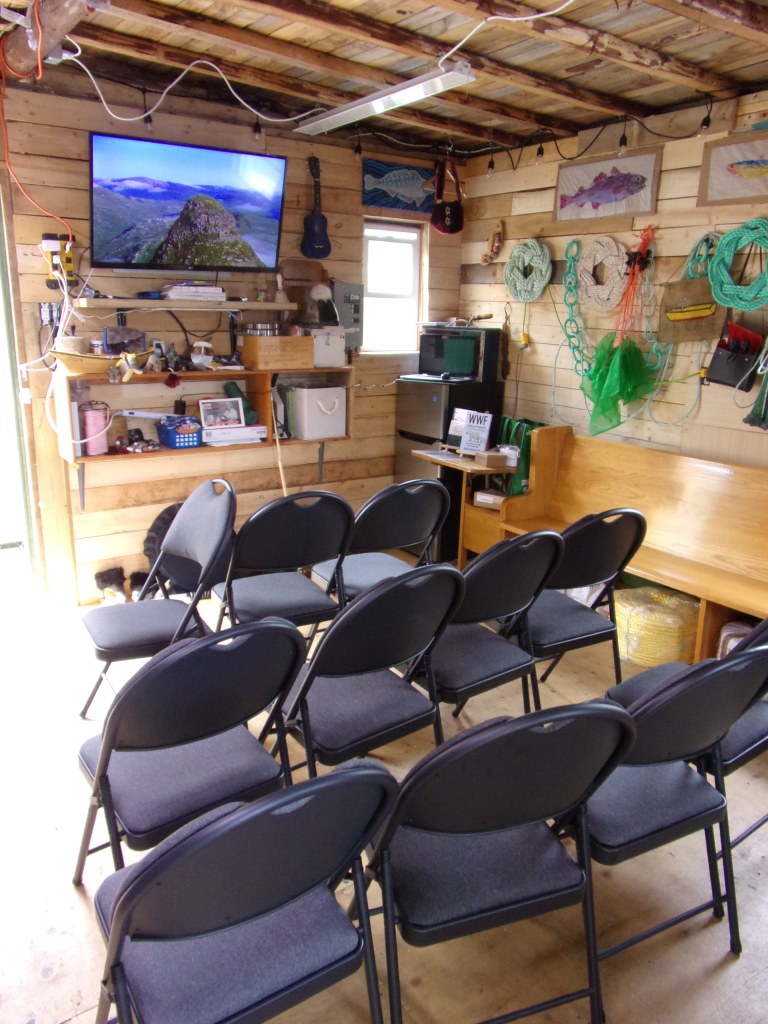
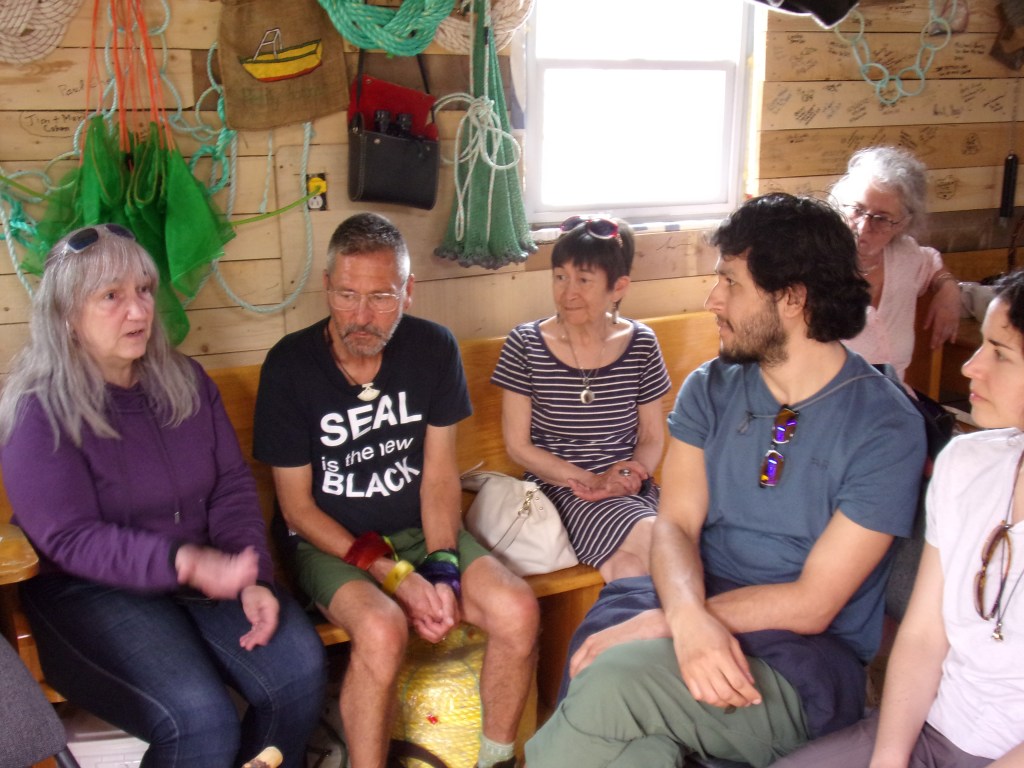
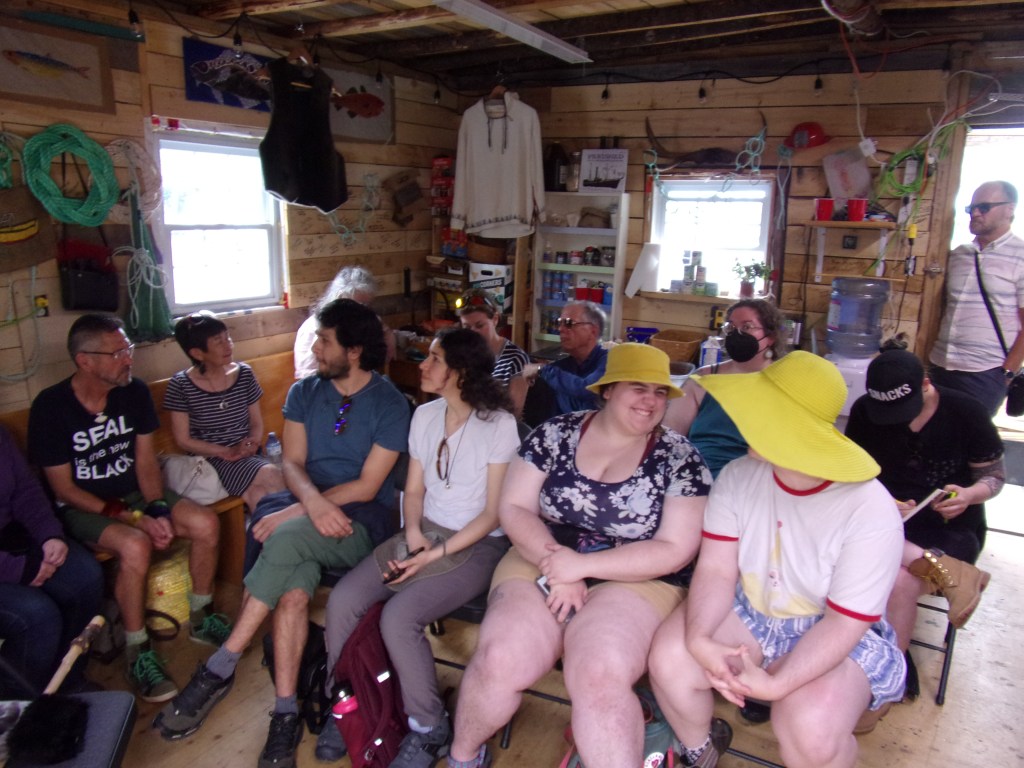
“Newfoundland and Labrador is in such a unique place with all of this wind energy talk. For the first time in as long as I can remember, we have leverage with the European Union and the European market. They need us…We are the prize so we should be asking for something in return. An easy first and fundamental step would be asking them [the EU] to withdraw from their moral outrage, which is based on misinformation and campaigning from organisations that profit from the destruction of our heritage, and withdraw that …The European Union [must] be accountable and … show cultural awareness and responsibility with regard to us [Newfoundland and Labrador] … [It] is a fundamental first step.”
The Seal Celebration also included Inuk Elder Danny Pottle from Rigolet, Nunatsiavut in Labrador. Elder Pottle took the lead in helping all present to recognize and respect the close connection between seals and the evolution and fabric of Inuit societies and culture. He led a youth panel at the Seal Celebration and interacted with people throughout the event’s activities, speaking about the importance for all Newfoundlanders and Labradorians to learn more about seals and sealing; to incorporate more seal into the local diet given its accessibility, nutritional benefits; and the need for greater understanding about sealing culture and practices.
“I’ve been asked to be part of the Youth and Elder question and answer panel, chatting about getting seal on the school menu. In schools by way of example, talking about whether or not this is a way of decolonizing school food, connecting youth to culture and heritage, namely the sealing industry, asking questions like ‘can eating seal help us with food insecurity and how can that mitigate climate change by way of example?’ And chatting about and encouraging youth to get out in a boat and ‘let’s go fishing!’. And talking about the importance again, and reiterating the importance of seal to not only Labrador Inuit culture, but to Newfoundland and Labrador in general and northern communities and countries where the sealing industry is at risk.”
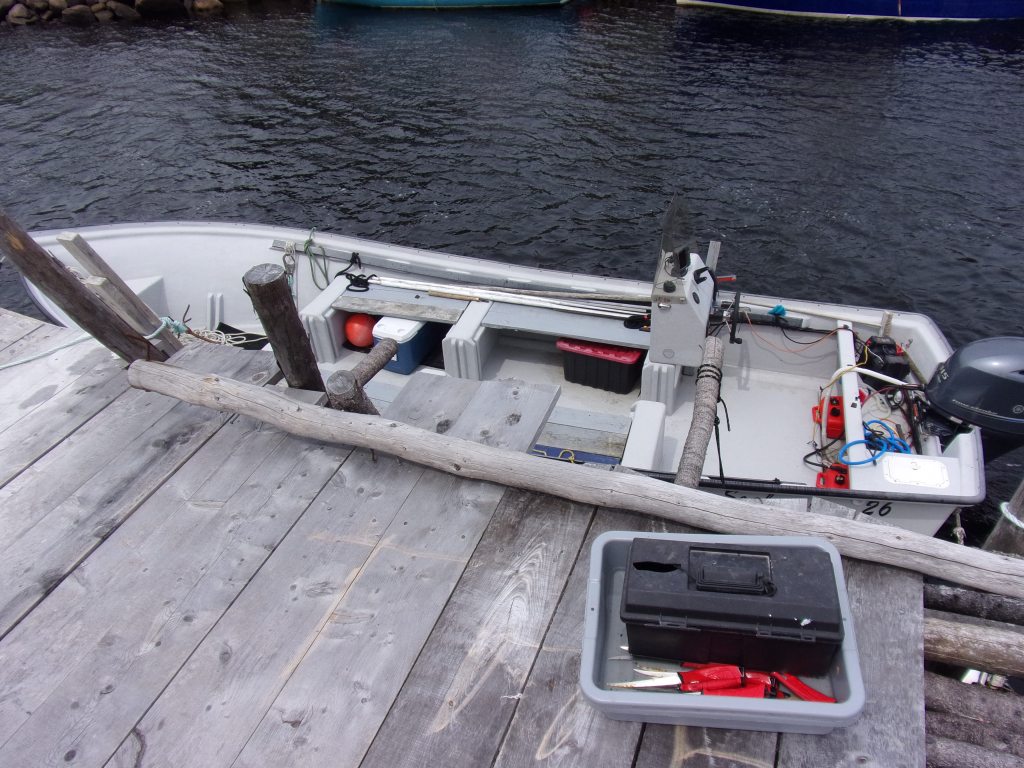
During this event Fishing for Success’s Kimberly Orren also spoke eloquently about the challenges associated with running an organisation, trying to inspire youth and people in Newfoundland and Labrador to have a greater awareness of and connection with the ocean and fishing. As a youth when the anti-sealing movement was at its height in the 1970s-early 1980s, Orren knows firsthand the seismic impact of anti-sealing activism on Newfoundland and Labrador.
“What the conservation groups were doing at the time really did harm me…when I was 14 my dad moved us to Florida and so here I am in Florida as a 14 year old and I’ve got the Newfoundland accent and [the reaction from people there was] ‘you stupid Newfie’, ‘don’t you guys club seals there’ and ‘that’s horrible I can’t believe you guys kill baby seals’… I was just so angry about this perception that they have of us … it was terrible…the perception of the ‘stupid Newfie’ had followed me there even at a time when there was only like 3 television stations…Their reach [anti-sealing activists] was immense even then…I was embarrassed to say where I was from and it was unfair of them [activists] to take that away from me…It is a cultural trauma.”
Ultimately Orren highlighted that decision to include seals in her organisation’s remit was affirmed for her based on reflections on the history of family members growing up in rural Newfoundland and the life-saving role of seals in family and community survival
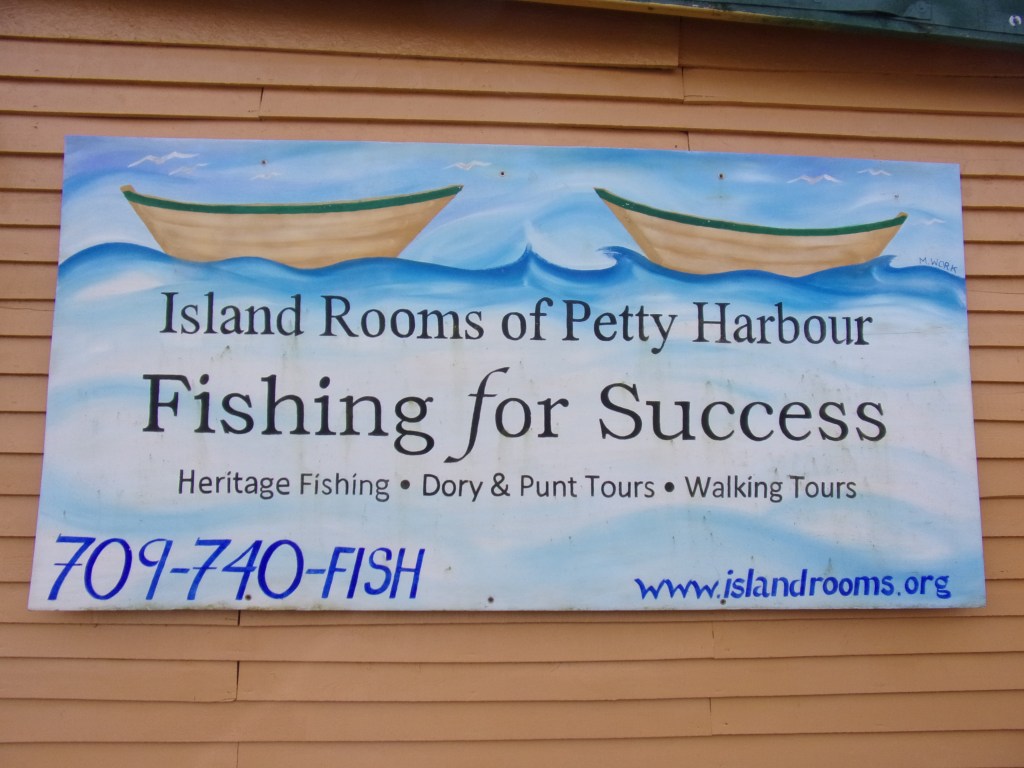
“On the one hand I was concerned about do I connect this [sealing and the negative perception of it] to Fishing for Success. Leo [co-founder of Fishing for Success] and I have given so much to start this to teach kids to fish that when we were about half way through, Fishing for Success is 10 years in, we were thinking, ‘do we connect Fishing for Success to sealing?’ because people are so angry about it. ‘Is it going to be bad for Fishing for Success?’ and we just made the commitment that we have to do it. Thinking back to Leo’s ancestors and my ancestors who fished the only way they got shoes for their children was to do seal hunting because they couldn’t get cash money any other way. And then I remember stories that my great great aunt told me that her family was on the verge of starving and the wind changed and the seals came in. She was young girl pulling the picket off the fence to go kill a seal because they were hungry. So I thought ‘what am I doing because these people are judging us so am I supposed to disregard everything that my ancestors did to survive?’ I’m not doing that.”
If you would like to learn more about the work and opportunities available from Fishing for Success, please visit their website.
Also you can learn more about the work of the John C. Crosbie Sealers Interpretation Centre here.
Copyright of photos belongs to: Danita Catherine Burke (July 6, 2024)


 Women in the Arctic and Antarctic